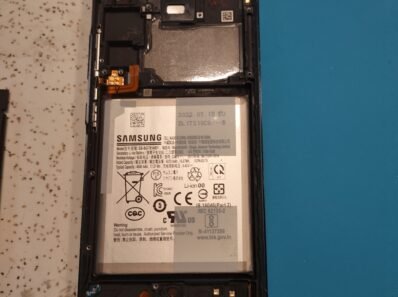
At first glance, a cracked back glass on a smartphone might seem like a minor issue. After all, if the phone still powers on, the screen works, and you usually keep it in a protective case, it’s easy to assume the damage is purely cosmetic. Many people decide to ignore the problem and simply cover the crack with a case. However, the reality is that a broken back glass can create several hidden risks for your phone that go far beyond appearance.
Why the Back Glass Matters
Modern smartphones are carefully engineered devices. The back glass is not just there to make the phone look attractive—it also helps protect the internal components from the outside environment. When the glass is intact, it forms part of the sealed enclosure that keeps out dust, debris, and moisture.
When that glass cracks, even slightly, it creates small openings in the protective barrier. These openings can allow dirt, pocket lint, and tiny particles to enter the phone over time. While this may not cause immediate failure, debris inside a device can gradually interfere with connectors, cameras, speakers, and charging components.
The Hidden Risk of Water Intrusion
Many smartphones today advertise some level of water resistance. However, those ratings rely on the phone’s seals being intact. A cracked back panel can compromise those seals and make the device far more vulnerable to water intrusion.
Even a small amount of moisture entering the phone can create problems. Water can cause electrical contacts to bridge, meaning electricity flows where it shouldn’t. This can damage delicate circuits and components inside the device.
Common internal parts that can be affected include:
- The charging port and charging circuitry
- Cameras and camera sensors
- The battery and power management systems
- Internal connectors and flex cables
- The logic board (the phone’s main processor board)
In some cases, the damage may not appear immediately. A phone might seem to work normally after exposure to moisture but develop issues days or weeks later as corrosion slowly spreads inside the device.
The Good News: Modern Phones Are Built Tough
Fortunately, modern smartphones are designed to be fairly durable. Water exposure does not automatically mean your phone is permanently ruined. Sometimes a device can simply dry out and continue working normally. In other cases, a repair technician may only need to replace a few affected components to restore the phone.
The key factor is how the phone is handled immediately after it gets wet.
What To Do If Your Phone Gets Wet
If your phone with cracked back glass is exposed to water, acting quickly can make a big difference.
The first and most important step is to turn the phone off immediately. Do not try to test it, charge it, or power it back on. Electricity flowing through wet circuits can cause permanent damage very quickly.
Once the phone is turned off, avoid plugging it into a charger or pressing buttons repeatedly. These actions can force moisture deeper into the device.
Many people try home remedies such as placing the phone in rice. While this may help remove some surface moisture, it does not always address water trapped inside the phone. In some cases, debris from rice or other materials can even get into ports and create additional problems.
Why Professional Inspection Is the Safest Option
The best way to handle possible water exposure is to bring the phone to a professional repair shop. A technician can open the device safely and inspect the internal components.
During an inspection, a technician may:
- Check internal moisture indicators
- Look for signs of corrosion or residue
- Dry out internal components properly
- Test the battery and charging system
- Verify that cameras, speakers, and sensors are functioning correctly
If damage is found early, repairs are often simpler and less expensive than waiting until the phone stops working entirely.
Fixing the Problem Before It Gets Worse
Replacing cracked back glass is often much easier and more affordable than dealing with internal water damage later. Addressing the issue early helps restore the phone’s protective seal and reduces the chances of debris or moisture entering the device.
Even if you plan to upgrade your phone in the future, repairing existing damage can extend the life of the device and help protect your data.
Protecting Your Phone—and Your Data
A cracked back glass may look like a small cosmetic problem, but it can expose your phone to much bigger risks over time. Dust, debris, and moisture can enter through even tiny cracks and slowly damage the internal components that keep your device running.
By repairing the damage early and having your phone inspected if it gets wet, you can prevent a small issue from turning into a much larger—and more expensive—problem.
Taking care of your phone today helps ensure it stays reliable for years to come.