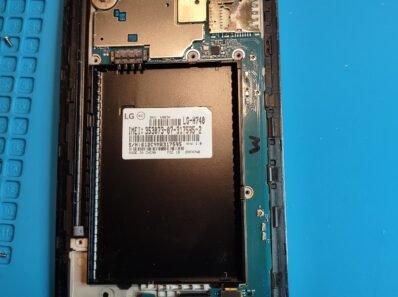
A cracked or unresponsive screen is one of the most common issues we see. A lot of people assume it’s a quick “pop it off and swap it” type of repair, but there’s actually quite a bit going on behind the scenes. If you’ve ever wondered what happens when you hand your phone over for a screen replacement, here’s a look at the process.
First, the repair starts with removing the two small screws at the bottom of the phone, right next to the charging port. These screws help hold the phone together and keep everything sealed. Once those are out, the screen can be carefully separated from the frame. This step has to be done slowly and with the right tools, because modern iPhones are sealed tightly to help keep out dust and moisture.
As the screen is lifted, it doesn’t just come off freely—there are delicate cables connecting it to the rest of the phone. These cables control things like touch response, display output, and sensors. Damaging one of these can turn a simple repair into a much bigger problem, so this part requires a steady hand and attention to detail.
Once inside, there are several small brackets and covers held in place by tiny screws. These have to be removed in a specific order to access the connectors underneath. After that, the screen cables can be safely disconnected, and the broken screen is finally separated from the phone.
But the job isn’t done yet.
Your original screen has important components attached to it that need to be transferred over to the new one. This includes things like the earpiece speaker, microphone, and sensor assembly (which handles features like auto-brightness and Face ID proximity functions). These parts are carefully removed from the old screen and installed onto the new one so your phone continues to function properly after the repair.
Once everything is transferred, the new screen is connected to the phone and tested before sealing it back up. This step is important to make sure the display looks right, touch is responsive, and all the sensors are working as they should. After testing, all the brackets and screws are reinstalled, and the phone is sealed back together.
At the end of the day, a screen replacement is about more than just fixing cracks—it’s about restoring your phone to full working condition.
The good news is that replacing a screen can often save you from having to buy a new phone. It’s usually a much more cost-effective option and can give your device a lot more life, especially if everything else is still working well.
At Screen Fix Plus, we offer both quality aftermarket parts and OEM replacement options, so you can choose what works best for your needs and budget. If your screen is cracked, glitching, or not responding like it should, it’s worth getting it checked sooner rather than later.